info@arearugmasters.com

Carpets add warmth, comfort, and style to any home or office, but they also require proper care throughout the year. Seasonal changes bring different challenges—ranging from moisture and mud to dry air and cold temperatures—that can impact the lifespan of your carpet. By understanding how climate affects carpets and taking proactive steps, you can protect your investment year-round.
In this guide, we’ll explore practical carpet care tips for every season and climate, including essential advice on how to dry carpet after cleaning in winter, ensuring your floors remain fresh, clean, and damage-free no matter the weather.
Why Seasonal Carpet Care Matters
Each season introduces unique threats to carpet fibers. Moisture can lead to mold growth, heat can trap odors, and winter conditions can slow drying times after cleaning. Without proper care, carpets may wear out faster, discolor, or develop unpleasant smells.
Routine maintenance combined with professional cleaning—such as an area rug cleaning service—helps extend carpet life while maintaining indoor air quality and hygiene.
Spring: Refresh and Remove Allergens
Spring is the perfect time to deep clean your carpets after months of closed windows and indoor living. Pollen, dust mites, and allergens often accumulate during winter, making carpets a hidden trigger for allergies.
Spring Carpet Care Tips:
- Vacuum frequently using a HEPA-filter vacuum to remove fine particles
- Schedule a professional deep cleaning to eliminate embedded dirt
- Rotate area rugs to distribute wear evenly
- Address stains immediately to prevent permanent discoloration
Spring cleaning sets the foundation for healthier carpets throughout the year.
Summer: Control Humidity and Odors
In warmer climates or humid regions, summer can be tough on carpets. Excess humidity may cause moisture retention, leading to musty odors or even mold growth if carpets are not properly dried.
Summer Carpet Care Tips:
- Use dehumidifiers to maintain indoor humidity levels
- Increase ventilation by opening windows or using fans
- Avoid walking on carpets with wet feet after swimming or rain
- Schedule professional cleaning during dry weather for faster drying
Summer is also an ideal time for professional rug maintenance, especially for delicate fibers like wool.
Fall: Prepare for Dirt and Debris
Fall brings fallen leaves, dust, and debris that can easily be tracked indoors. These particles act like sandpaper on carpet fibers, causing premature wear.
Fall Carpet Care Tips:
- Place mats at entrances to trap dirt before it reaches carpets
- Vacuum high-traffic areas more frequently
- Remove shoes indoors to reduce soil buildup
- Spot-clean stains from mud or moisture immediately
Preparing carpets in fall helps minimize damage during the heavy indoor use of winter.
Winter: Protect Carpets from Moisture and Slow Drying
Winter presents one of the biggest challenges for carpet care, particularly when it comes to moisture and drying. Snow, rain, and salt can easily damage carpet fibers, while colder temperatures make drying after cleaning more difficult.
How to Dry Carpet After Cleaning in Winter
Understanding how to dry carpet after cleaning in winter is essential to prevent mold, mildew, and odors. Because cold air holds less moisture, carpets take longer to dry during this season.
Effective Winter Drying Tips:
- Increase indoor heat to speed up evaporation
- Use fans or air movers to improve airflow
- Keep windows slightly open during dry days for ventilation
- Avoid walking on damp carpets to prevent fiber damage
- Use a dry vacuum to extract excess moisture
Proper drying ensures your carpet remains clean, fresh, and free from long-term moisture damage.
Special Care for Area Rugs and Wool Rugs
Not all carpets are created equal. Area rugs and wool rugs require specialized care due to their natural fibers and intricate designs. Improper cleaning or seasonal neglect can cause shrinking, color bleeding, or fiber deterioration.
Professional wool rug cleaning ensures delicate rugs are treated with the correct methods and drying techniques, preserving their beauty and structure across all seasons.
Tips for Seasonal Rug Protection:
- Store unused rugs in a dry, climate-controlled area
- Avoid direct sunlight exposure during summer
- Use rug pads to reduce friction and moisture buildup
- Schedule professional cleaning at least once a year
Climate-Specific Carpet Protection Tips
Different climates require tailored carpet care strategies:
For Humid Climates:
- Use dehumidifiers year-round
- Avoid over-wetting carpets during DIY cleaning
- Ensure fast drying after spills or cleaning
For Cold Climates:
- Focus on moisture control during winter
- Follow best practices for drying carpets after cleaning
- Protect carpets from snow, salt, and slush
For Dry Climates:
- Vacuum regularly to remove fine dust
- Use humidifiers to prevent fiber brittleness
- Rotate rugs to avoid uneven fading
The Role of Professional Carpet Cleaning
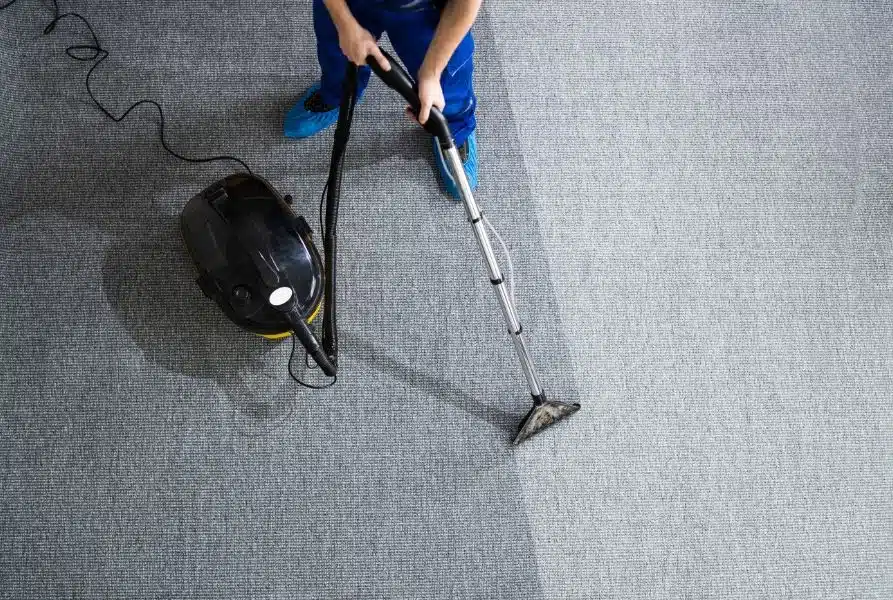
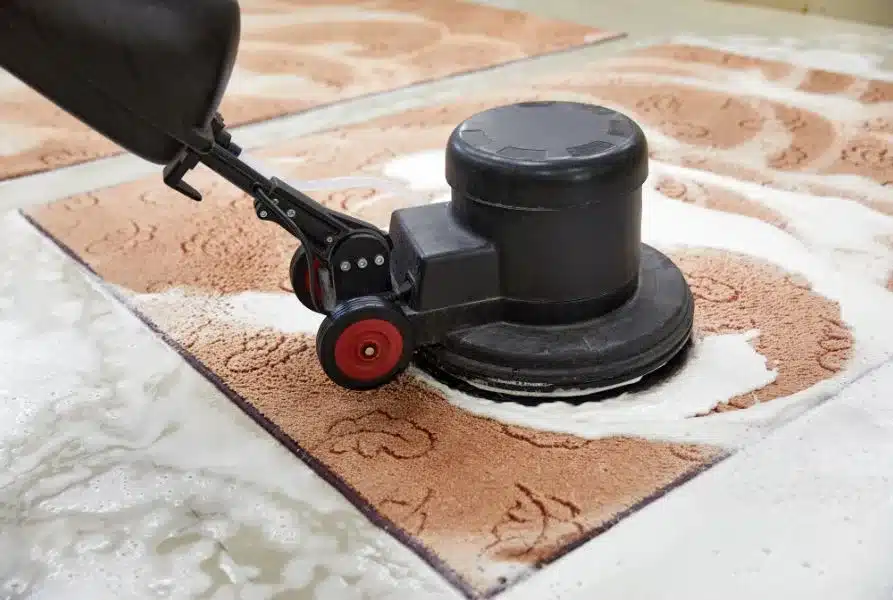
While regular vacuuming and spot cleaning are essential, professional services provide deeper cleaning and seasonal protection. Experts use specialized equipment to extract dirt, control moisture, and ensure proper drying—even during challenging winter conditions.
A trusted area rug cleaning service can assess your carpet’s material, climate exposure, and usage patterns to deliver customized care that extends its lifespan.
Protecting your carpet through the seasons doesn’t have to be complicated. By understanding seasonal challenges and adopting the right maintenance strategies, you can keep your carpets looking beautiful and performing well all year long. From managing humidity in summer to mastering how to dry carpet after cleaning in winter, small steps make a big difference.
For long-lasting results, combine consistent at-home care with professional cleaning tailored to your climate and carpet type. Your carpets will reward you with comfort, cleanliness, and durability for years to come.